4.9 Google Rating


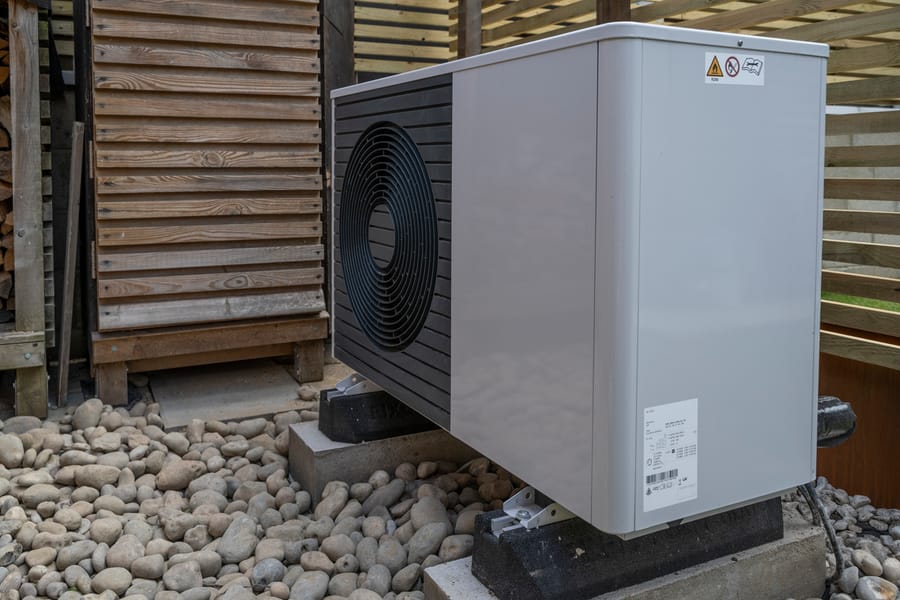
In the Dallas-Fort Worth Metroplex, homeowners face a unique climate challenge. Our summers are notoriously brutal, but our winters are a mixed bag of mild afternoons and sudden, bone-chilling cold snaps. If you have lived in North Texas for long, you know that a “blue norther” can drop the temperature by thirty degrees in a single hour. This volatility leads many residents to ask a critical question when it is time to upgrade their HVAC system: Is a heat pump enough for a Dallas winter?
At Moss Heating, Cooling & Plumbing, we understand the skepticism. Historically, older heat pumps struggled when the temperature dipped toward freezing, leading many North Texans to rely exclusively on gas furnaces. However, technology has changed significantly. Today’s high-performance heat pumps are designed to handle the specific demands of the Southern climate with remarkable efficiency. This guide explores the capabilities of modern heat pumps, the importance of backup systems, and why they are often the ideal choice for a home in the Big D.
The Evolution of Heat Pump Technology
The primary reason some people doubt heat pumps is a misunderstanding of how they function. Unlike a furnace that burns fuel to create heat, a heat pump is a heat mover. It extracts thermal energy from the outdoor air and transfers it into your home.
Why Old Systems Failed
In the past, heat pumps were significantly less efficient once the outdoor temperature dropped below 40 degrees. As the air got colder, the system had less heat to “grab,” which meant the air coming out of the vents felt lukewarm and the house struggled to stay comfortable.
-
Advanced Refrigerants: Modern units use new types of refrigerant that are much more effective at absorbing heat in low temperatures.
-
Inverter Technology: New variable speed compressors allow the heat pump to ramp up its performance during a cold snap rather than just running at one fixed, underpowered speed.
-
Low Ambient Performance: Many of the units we install at Moss Heating, Cooling & Plumbing are rated to provide effective heating even when it is well below freezing outside.
Efficiency in a Dallas Context
The majority of a Dallas winter consists of temperatures between 40 and 60 degrees. This is the “sweet spot” for heat pump efficiency. During these mild stretches, a heat pump can be three to four times more efficient than an electric furnace because it is moving heat rather than creating it through raw electrical resistance.
Understanding the Backup: Auxiliary Heat
While a modern heat pump is incredibly capable, physics dictates that it will eventually need a little help when a true Texas freeze arrives. This is where the backup heating system comes into play. No heat pump in Dallas is truly an “island.”
Electric Heat Strips
Most heat pump installations in North Texas include auxiliary electric heat strips. These are located inside your indoor air handler.
-
The Automatic Boost: When the thermostat senses that the heat pump alone cannot reach the target temperature, or when the outdoor unit enters a defrost cycle, the heat strips kick on.
-
Instant Warmth: These strips provide the “blast” of hot air that people often miss when switching from a gas furnace.
-
The Cost Factor: Electric strips are effective but expensive to run. The goal of a well designed Moss Heating, Cooling & Plumbing system is to use the heat pump for 95 percent of the winter and only rely on these strips during the coldest 5 percent of the year.
Dual Fuel Systems (Hybrid Heat)
For some Dallas homeowners, the best solution is a “dual fuel” setup. This combines an electric heat pump with a gas furnace.
-
Economic Switching: The system uses the heat pump when temperatures are mild and electricity is cheaper. When a major cold front hits and temperatures drop below 35 degrees, the system automatically switches to the gas furnace.
-
Redundancy: This provides the ultimate peace of mind. If the power grid is stressed or the temperature stays below freezing for days, you have the reliable, intense heat of natural gas as a fallback.
Heat Pump Performance During a “Texas Freeze”
We all remember the extreme winter storms of recent years. During events like these, the performance of your HVAC system becomes a matter of safety.
The Defrost Cycle Explained
When it is cold and humid in Dallas, frost can build up on the outdoor coils of a heat pump. This is perfectly normal. The system will occasionally enter a “defrost mode” where it reverses the flow of refrigerant to melt the ice.
-
Steam and Noise: You might see steam rising from the unit or hear a loud whooshing sound. This is a sign the system is working correctly to clear its coils.
-
Continuous Comfort: During this brief cycle, your auxiliary heat strips take over so your home stays warm even while the outdoor unit is busy melting ice.
Snow and Ice Management
Unlike a gas furnace that only needs a small vent clear of snow, a heat pump needs to “breathe” through its entire outdoor cabinet.
-
Keeping it Clear: If we get a rare Dallas snowstorm, it is important to ensure that snow is not piled up against the sides of the unit.
-
Raising the Unit: At Moss Heating, Cooling & Plumbing, we install heat pumps on “snow feet” or raised pads. This ensures that melting ice can drain away from the unit and that it stays above the level of most local snow accumulation.
The Financial Advantage for North Texas Homeowners
Is a heat pump enough for your budget? In many cases, it is the most financially sound decision a Dallas homeowner can make.
Lower Summer Cooling Costs
Because a heat pump is also a high efficiency air conditioner, upgrading to one often lowers your summer electric bills. In Dallas, we spend much more on cooling than we do on heating. A system with a high SEER2 rating provides elite cooling in July and efficient heating in January.
Rebates and Tax Credits
The federal government and many local utility providers offer significant incentives for homeowners who switch to heat pump technology.
-
The High Efficiency Credit: Under current regulations, you may be eligible for a tax credit of up to $2,000 for installing a qualified heat pump.
-
Utility Programs: Oncor and other local entities frequently offer rebates that can offset the initial cost of the equipment.
Maintenance and Longevity
Heat pumps are robust machines, but they run more hours per year than a standalone furnace. They work in the summer to cool and the winter to heat. This makes regular professional maintenance from Moss Heating, Cooling & Plumbing essential. A well maintained heat pump in Dallas can reliably serve a home for 12 to 15 years.
Schedule Your Winter Comfort Consultation with Moss Heating, Cooling & Plumbing
Ready to upgrade your home’s efficiency? The team at Moss Heating, Cooling & Plumbing is proud to serve the Dallas community with honest advice and expert installation. We can evaluate your current system and show you how a modern heat pump can transform your winter comfort and summer savings.
Contact us today to schedule your assessment and find out why so many of your neighbors are making the switch to heat pump technology.
Recent News
Why Dallas Homeowners Are Switching to Whole-Home Air Purification

What Southlake Homeowners Should Know About Whole-Home Water Filtration

Why Some Colleyville Homes Feel Dustier at the End of Summer
We Look Forward To Hearing From You.
