4.9 Google Rating

The 10-Year Dallas Warning: Repair vs. Replace Your Aging Water Heater

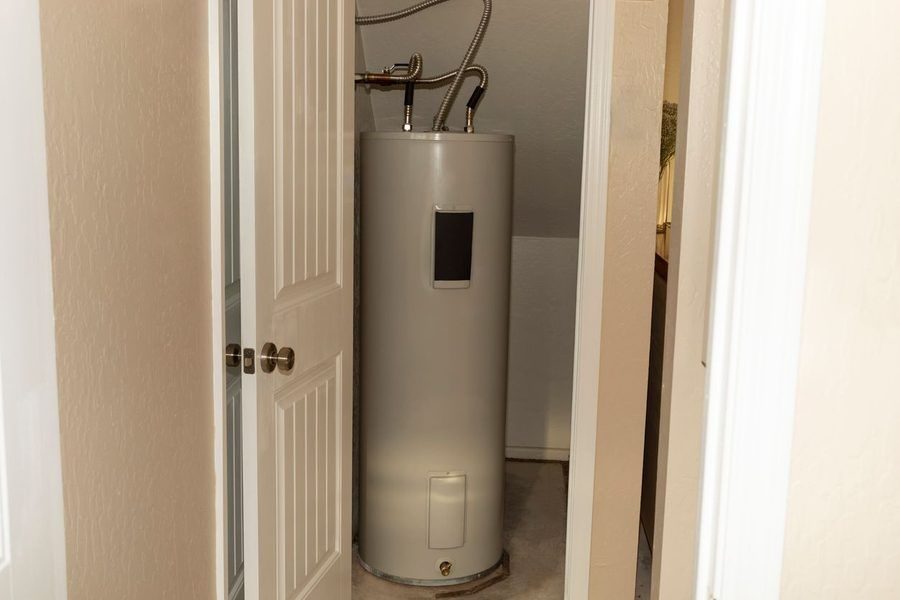
Running out of hot water during your morning shower is a frustrating way to start the day. But for homeowners across Dallas, Park Cities, Plano, and Richardson, an aging water heater poses a far greater risk than a cold shower: catastrophic indoor flooding.
Most conventional tank-style water heaters carry an average operational lifespan of 8 to 12 years. Once a water heater reaches its 10th anniversary in North Texas, it enters a critical high-risk phase. Between heavy municipal mineral deposits and aggressive thermal expansion, a decade-old tank is living on borrowed time.
When your unit starts showing its age, you face a common homeowner dilemma: should you pay for a temporary repair or invest in a full system replacement? Moss Heating, Cooling & Plumbing has been keeping homes safe, comfortable, and efficient across the Dallas-Fort Worth metroplex for years. This guide breaks down the “10-Year Warning,” the physical factors accelerating tank failure in Dallas, and how to decide whether to repair or replace your unit.
The Physics of Failure: Why Dallas Water Heaters Age Fast
Water heaters in North Texas face severe environmental stressors that shorten their lifespan compared to other regions of the country:
1. High Mineral Hardness (Limescale Accumulation)
Dallas water is notoriously rich in dissolved minerals, particularly calcium and magnesium. As cold water is heated inside the tank, these minerals separate from the water and settle to the bottom as a dense layer of sediment.
Over a decade, this sediment bakes into a rock-hard crust over the gas burner or lower electric heating element. This sediment layer acts as a thermal blanket, forcing the system to run longer to heat the water above. The trapped heat causes the glass-lined steel tank bottom to overheat, crack, and corrode.
2. Thermal Expansion Stress
Water expands physically as it heats up. In closed residential plumbing systems equipped with backflow preventers, this thermal expansion causes internal pressure spikes. Constantly cycling between room-temperature expansion and high-heat pressure stretches the internal steel shell of your tank, wearing out structural welds over time.
Diagnostic Checklist: Repair vs. Replace
Deciding whether to repair or replace your unit depends on a combination of system age, the nature of the breakdown, and repair costs.
When to Repair Your Water Heater (Under 8 Years Old)
If your unit is relatively young and structural integrity remains intact, a targeted repair is often the most economical choice:
-
Faulty Thermostat or Heating Element: On electric models, replacing a burned-out heating element or faulty upper/lower thermostat is a quick, affordable fix.
-
Bad Pilot Light assembly or Thermocouple: On gas models, if the burner refuses to stay lit, replacing a dirty thermocouple or electronic igniter restores normal function.
-
Failing Pressure Relief Valve (TPR Valve): If water is weeping lightly from the Temperature and Pressure Relief valve, replacing the safety valve restores system safety.
-
Anode Rod Replacement: If caught early (around year 5 or 6), replacing the sacrificial anode rod extends tank life by continuing to attract corrosive elements away from the steel walls.
When to Replace Your Water Heater (10+ Years Old)
When a water heater passes the 10-year mark, pouring money into component repairs is often a temporary fix before a major failure:
-
Active Tank Leaking or Pooling Water: If water is leaking directly from the bottom or seams of the steel tank shell, the internal lining has fractured. A leaking tank cannot be repaired; it must be replaced immediately to prevent major water damage.
-
Rusty, Discolored Hot Water: If discolored, reddish-brown water comes out of your faucets only when running hot water, the interior steel walls of the tank are actively flaking away and deteriorating.
-
Rumbling, Popping, or Grinding Noises: Loud popping sounds indicate that steam bubbles are violently escaping from beneath a thick, baked-on layer of sediment at the bottom of the tank. This causes extreme thermal stress and indicates imminent tank failure.
-
The “50% Rule” on Repair Costs: If a necessary repair costs 50% or more of the price of a new system installation, and the unit is over 8 years old, replacement is the financially smarter choice.
Comparing Options: Traditional Tank vs. Modern Tankless
If your 10-year warning light is flashing, replacing your aging unit gives you the opportunity to upgrade your home’s energy performance and hot water supply.
The Advantages of Going Tankless in Dallas
Upgrading to a modern tankless water heater (such as a gas-fired or high-efficiency unit) eliminates the single largest hazard of standard units: a 50-gallon flood in your attic or closet.
-
Endless Hot Water: Tankless units heat water on demand as it flows through a high-efficiency copper or stainless steel heat exchanger, meaning your household will never run out of hot water.
-
Space Savings: Tankless units mount neatly on an interior or exterior wall, freeing up valuable closet or garage floor space.
-
Lower Monthly Energy Bills: By eliminating standby heat loss (reheating 50 gallons of water all night while you sleep), tankless systems reduce water-heating energy consumption by up to 30%.
-
Double the Lifespan: With routine descaling maintenance, tankless systems last 20+ years, double the lifespan of standard tank units.
Protect Your Home from Catastrophic Water Damage
A failing water heater is one of the leading causes of residential water damage claims in Texas. When a 10-year-old tank ruptures, especially if it is located in an attic or upstairs utility closet, hundreds of gallons of water can ruin drywall, ceilings, hardwood flooring, and personal property in minutes.
Taking a proactive stance against an aging water heater protects your home investment, ensures reliable hot water, and keeps your energy bills in check.
Trust the Licensed Professionals at Moss Heating, Cooling & Plumbing
You don’t have to wait for a puddle in your garage or an attic ceiling collapse to address your water heater. The background-checked, licensed master plumbers and technicians at Moss Heating, Cooling & Plumbing have been serving Dallas homeowners with honest, reliable service for years.
We evaluate your existing hot water system, run precise diagnostic checks, and provide clear, transparent options, whether that means a simple component repair, a standard tank replacement, or a high-efficiency tankless conversion.
Protect your home today and contact Moss Heating, Cooling & Plumbing for your water heater service!
Recent News
Why Dallas Homeowners Are Switching to Whole-Home Air Purification

What Southlake Homeowners Should Know About Whole-Home Water Filtration

Why Some Colleyville Homes Feel Dustier at the End of Summer
We Look Forward To Hearing From You.
