4.9 Google Rating
DFW Energy Saver Tips for Your Heating System

Heating costs in the Dallas Fort Worth area can rise quickly during winter, especially when sudden cold snaps push heating systems to work harder than expected. While winters in DFW are not consistently extreme, fluctuating temperatures often lead to inefficient heating cycles, higher energy use, and unnecessary strain on furnaces and heat pumps.
Energy saving habits and simple system adjustments can make a meaningful difference in both comfort and monthly utility bills. This blog shares practical, easy to follow energy saver tips for your heating system, helping DFW homeowners reduce energy waste, improve performance, and stay comfortable throughout the winter season.
Why Heating Systems Work Harder in DFW Winters
Heating systems in the Dallas Fort Worth area often face unique challenges during winter. Temperatures can shift quickly from mild to freezing, which forces heating equipment to adjust rapidly. These sudden changes can increase energy use and expose inefficiencies that remain hidden during more stable weather.
Stop Start Heating Cycles and Energy Waste
Frequent temperature swings cause heating systems to turn on and off more often. This stop start operation can lead to:
-
Higher energy consumption during short cold periods
-
Reduced efficiency as the system struggles to maintain set temperatures
-
Increased wear on key components
-
Uneven comfort throughout the home
Minimizing unnecessary cycling helps reduce energy waste and extend system life.
Older Systems Struggling With Sudden Demand
Many DFW homes rely on aging heating systems that were not designed for modern efficiency expectations. These systems may experience:
-
Slower response to cold snaps
-
Higher fuel or electricity use to maintain warmth
-
Difficulty distributing heat evenly
-
Increased risk of breakdowns during peak demand
Improving efficiency through smart adjustments and maintenance can help older systems perform better during winter.
Smart Thermostat Settings That Save Energy
Your thermostat plays a major role in how much energy your heating system uses. Small adjustments to temperature settings can significantly reduce heating costs without sacrificing comfort. Using smart or programmable thermostats helps DFW homeowners manage heating more efficiently during winter.
Ideal Winter Temperature Settings
Setting your thermostat to the right temperature helps balance comfort and efficiency. Recommended practices include:
-
Setting the thermostat to around 68 degrees while at home
-
Lowering the temperature when sleeping or away
-
Avoiding frequent manual adjustments
-
Using consistent settings to reduce system cycling
These settings help reduce energy use while maintaining a comfortable indoor environment.
Nighttime and Daytime Setback Strategies
Temperature setbacks allow your system to use less energy during periods of low activity. Effective strategies include:
-
Lowering the thermostat by several degrees overnight
-
Using programmable schedules to automate changes
-
Adjusting settings during work hours
-
Gradually raising the temperature before returning home
Setback strategies reduce heating demand while keeping your home warm when needed.
Improve Airflow for Better Heating Efficiency
Proper airflow is essential for efficient heating and consistent comfort. When airflow is restricted or unbalanced, your heating system must work harder to distribute warm air throughout your home. Improving airflow helps your system heat more evenly while using less energy.
Clean Filters and Open Vents
One of the simplest ways to improve heating efficiency is maintaining unobstructed airflow. Important steps include:
-
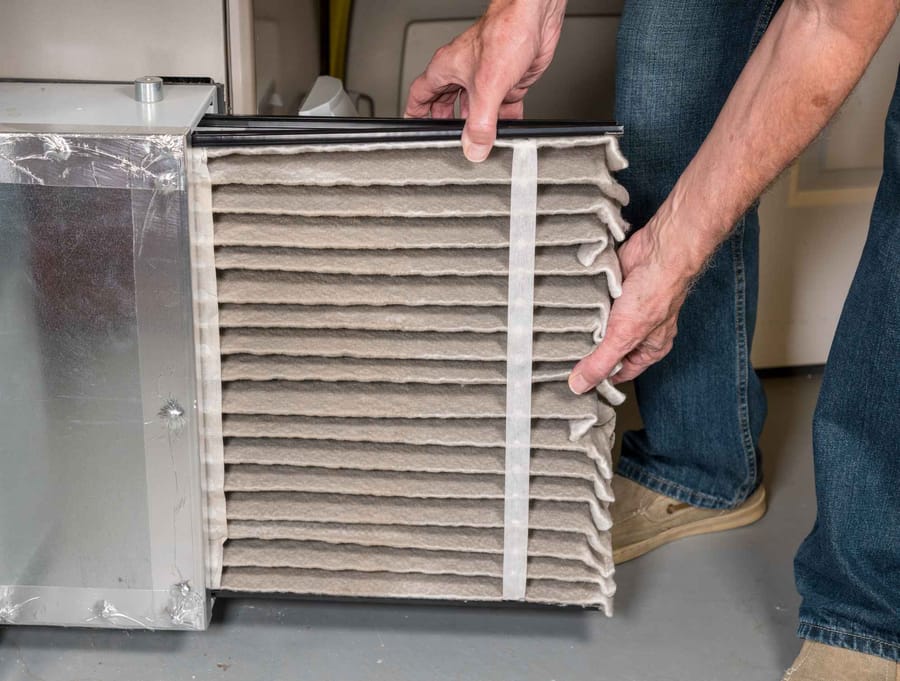
Replacing or cleaning air filters regularly
-
Keeping supply and return vents fully open
-
Removing furniture or rugs that block airflow
-
Checking vents for dust or debris buildup
Clean filters and open vents allow warm air to circulate freely and reduce strain on your heating system.
Balancing Airflow Throughout the Home
Uneven airflow can cause some rooms to feel colder than others. Improving balance helps ensure consistent comfort. Common solutions include:
-
Adjusting vent dampers for better distribution
-
Making sure return vents are accessible
-
Identifying rooms that receive too little airflow
-
Having a professional evaluate airflow issues
Balanced airflow improves heating performance and helps lower energy use during cold weather.
Heating System Maintenance That Lowers Energy Bills
Routine heating system maintenance is one of the most effective ways to reduce energy costs during winter. Well maintained systems operate more efficiently, distribute heat evenly, and are less likely to break down during cold weather. Regular service helps DFW homeowners save money while improving reliability.
Furnace and Heat Pump Tune Ups
Professional tune ups prepare your heating system for winter demand. During a maintenance visit, technicians typically:
-
Clean burners and heat exchangers
-
Check electrical components and safety controls
-
Inspect and adjust airflow settings
-
Verify proper ignition and system operation
These steps help your system run smoothly and use less energy to heat your home.
Identifying Efficiency Problems Early
Maintenance visits also help detect issues that reduce efficiency before they worsen. Technicians may identify:
-
Worn or dirty components increasing energy use
-
Airflow problems affecting heat distribution
-
Electrical or mechanical issues that strain the system
-
Small concerns that could lead to costly repairs
Early detection supports lower utility bills and extends the life of your heating equipment.
Seal Heat Loss Inside the Home
Even an efficient heating system can struggle if warm air escapes your home too quickly. Heat loss forces your system to run longer to maintain comfortable temperatures, which increases energy use and utility costs. Sealing common problem areas helps DFW homeowners keep heat inside where it belongs.
Weatherstripping Doors and Windows
Gaps around doors and windows are a major source of heat loss during winter. Improving seals can:
-
Prevent cold air drafts
-
Reduce heat escaping from living spaces
-
Improve indoor comfort near windows and doors
-
Lower overall heating demand
Replacing worn weatherstripping or adding door sweeps is a simple and affordable way to improve efficiency.
Attic Insulation and Duct Insulation Basics
Heat often escapes through the attic or ductwork in unconditioned spaces. Addressing insulation issues helps:
-
Keep warm air inside the home longer
-
Reduce temperature fluctuations
-
Improve heating system efficiency
-
Support lower monthly energy bills
Proper insulation works alongside your heating system to maintain comfort during cold DFW nights.
Energy Efficient Heating Habits for DFW Homes
Daily habits play a major role in how much energy your heating system uses. Small changes in how you operate and support your system can reduce energy waste, improve comfort, and help your heater perform more efficiently during DFW winters.
Using Ceiling Fans in Winter Mode
Ceiling fans are not just for summer. When set correctly in winter, they help distribute heat more effectively. Benefits include:
-
Pushing warm air down from the ceiling
-
Reducing temperature differences between rooms
-
Allowing lower thermostat settings without losing comfort
-
Improving overall heating efficiency
Fans should rotate clockwise at a low speed during winter to circulate warm air gently.
Reducing Heat Loss During Cold Nights
Nighttime is when most heat loss occurs. Simple habits can make a noticeable difference, such as:
-
Closing blinds or curtains after sunset
-
Keeping doors to unused rooms closed
-
Avoiding frequent thermostat adjustments
-
Making sure exterior doors are fully sealed
These habits help retain warmth and reduce how hard your heating system must work overnight.
Save Energy and Stay Comfortable All Winter in DFW
Heating efficiency plays a major role in keeping winter utility bills under control, especially during DFW’s unpredictable cold snaps. By improving airflow, sealing heat loss, adjusting thermostat settings, and keeping your system well maintained, you can reduce energy waste while maintaining reliable comfort throughout the season.
Moss Heating & Cooling helps Dallas Fort Worth homeowners improve heating efficiency with expert maintenance, system evaluations, and professional guidance.
If your heating system is working harder than it should or your energy bills are rising, contact Moss Heating & Cooling today to schedule a heating system check and start saving energy this winter.
Recent News

Why Is My Heater Blowing Cold Air? Dallas Homeowner Troubleshooting Guide
Dallas Fall HVAC Prep Checklist
Air Quality Essentials: The Homeowner’s Handbook to Cleaner, Healthier Indoor Air
We Look Forward To Hearing From You.